Understanding COPD: Causes, Symptoms, and Management
COPD develops slowly and worsens over time, but early diagnosis and steady management can protect your breathing. Learn what to watch for in Jacksonville, FL.
Chronic obstructive pulmonary disease, or COPD, tends to sneak up on people. What starts as a nagging cough or getting winded on the stairs can slowly become a daily struggle to breathe. Because COPD is progressive, catching it early and managing it consistently makes a real difference in quality of life. At Reliance Primary & Urgent Care in Jacksonville, FL, we help patients understand this condition and build a plan to breathe easier.
What Is COPD?
COPD is an umbrella term for a group of lung conditions that block airflow and make breathing difficult. The two most common are emphysema, which damages the tiny air sacs in the lungs, and chronic bronchitis, which inflames and narrows the airways and produces excess mucus. In both, the airflow limitation worsens over time. While COPD cannot be cured, it can very often be managed so that symptoms are controlled and progression is slowed.
What Causes COPD?
COPD develops when the lungs are exposed to irritants over a long period. Several factors raise the risk.
- Smoking. This is by far the leading cause. Current and former smokers make up the majority of COPD cases.
- Air pollution. Long-term exposure to polluted air can contribute to lung damage.
- Occupational exposures. Dusts, fumes, and chemicals in certain workplaces increase risk.
- Genetics. A rare inherited condition called alpha-1 antitrypsin deficiency can lead to COPD, sometimes at a younger age and even without a smoking history.
Recognizing the Symptoms
Early COPD symptoms are easy to dismiss, which is one reason the disease is often diagnosed later than it should be. Watch for:
- Shortness of breath, especially with activity
- A chronic cough that may bring up mucus
- Wheezing or a whistling sound when breathing
- Chest tightness
- Frequent respiratory infections and low energy
If you find yourself getting winded doing things that never used to bother you, that is worth mentioning to your doctor rather than chalking it up to age or being out of shape.
How COPD Is Diagnosed
Diagnosis usually begins with a conversation about your symptoms, smoking history, and any exposures, followed by a physical exam. A simple breathing test called spirometry measures how much air you can move and how quickly, which helps confirm airflow limitation. Additional tests, such as a chest X-ray or blood work, may be used to rule out other causes. Early diagnosis is powerful because the sooner management begins, the better your lungs can be protected.
Managing COPD Day to Day
Living well with COPD comes down to a steady, individualized plan.
Quit Smoking
If you smoke, quitting is the single most important thing you can do. It is the only step proven to slow the progression of COPD, and it is never too late to benefit. We can help you build a quit plan and support you along the way.
Medications and Therapies
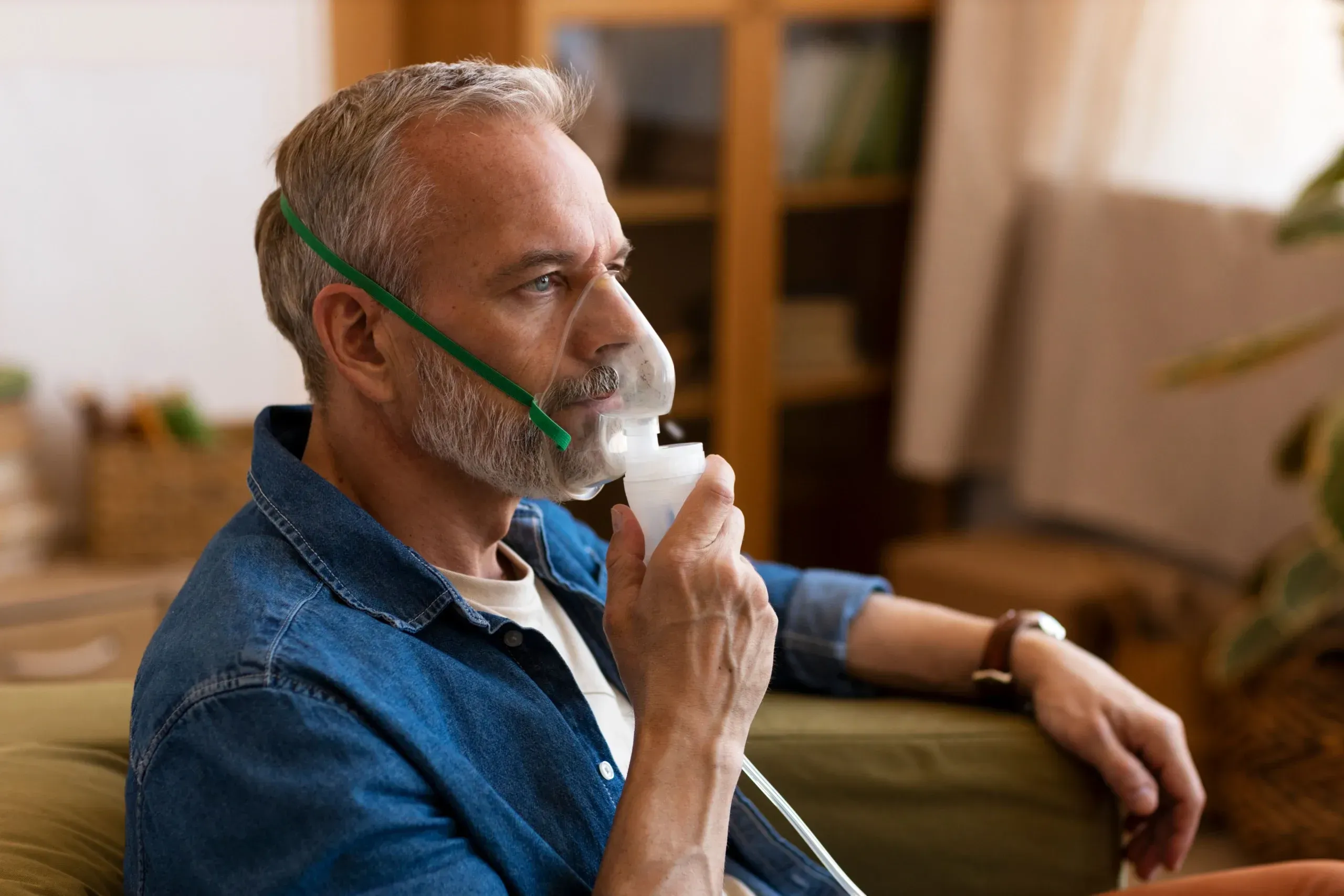
Treatment often includes bronchodilators to open the airways and, in some cases, inhaled steroids to reduce inflammation. Pulmonary rehabilitation, which combines exercise, breathing techniques, and education, can improve endurance and confidence. In more advanced disease, oxygen therapy may be recommended, and in select severe cases, surgery is an option, though these decisions are made with specialists.
Ongoing Monitoring
COPD changes over time, so regular follow-up matters. Consistent chronic disease management in Jacksonville, FL lets us adjust your plan, keep vaccinations current to prevent infections, and catch problems before they escalate.
When a Flare-Up Becomes an Emergency
People with COPD can experience flare-ups, or exacerbations, when symptoms suddenly worsen. Mild flare-ups may be handled with a change in medication, and a same-day visit to our urgent care clinic can help you sort out less severe symptoms. However, COPD can also cause dangerous breathing emergencies. Reliance is not an emergency room. Call 911 or go to the nearest ER right away if you have severe shortness of breath, cannot speak in full sentences, have bluish lips or fingertips, feel confused or extremely drowsy, or have chest pain. These are signs of a breathing emergency that needs immediate hospital care.
Frequently Asked Questions
Can COPD be cured?
There is no cure for COPD, but it can be managed effectively. With the right treatment plan, especially quitting smoking, many people control their symptoms, slow progression, and stay active for years.
I have never smoked. Can I still get COPD?
Yes. While smoking is the main cause, long-term exposure to air pollution, workplace dusts and chemicals, or a genetic condition like alpha-1 antitrypsin deficiency can also lead to COPD.
Is COPD the same as asthma?
No, though they share some symptoms like wheezing and shortness of breath. Asthma is usually reversible and often begins in childhood, while COPD involves progressive, less reversible airflow limitation and typically develops later in life. Your doctor can help distinguish between them.
How can I prevent COPD flare-ups?
Taking medications as prescribed, avoiding smoke and other irritants, staying current on vaccines, and seeking care early when symptoms change all help reduce flare-ups. Regular follow-up with your care team is key.
Breathe Easier With Support in Jacksonville, FL
If you are living with COPD or noticing symptoms like a lingering cough or shortness of breath, the team at Reliance Primary & Urgent Care is here to help with transparent self-pay pricing and no insurance required in Jacksonville, FL. To learn more about the condition, the CDC offers a helpful overview at the CDC COPD resource. Reach out through our contact page to start building your plan. And remember: if you ever have severe trouble breathing, bluish lips, chest pain, or confusion, this is an emergency. Call 911 or go to the nearest ER.